Performed by Dr. Kavya Jonnalagadda at Sree Charith Hospital
The ACTH (Synacthen) Stimulation Test checks how well your adrenal glands produce cortisol, a vital hormone. A synthetic version of ACTH is injected, and blood samples are drawn at specific intervals to measure your cortisol levels. Dr Kavya Jonnalagadda uses this test to diagnose conditions affecting the adrenal glands.
We believe in honest, upfront disclosure so you can make an informed decision.
A step-by-step look at what happens during this procedure.
A small blood sample is drawn from a vein in your arm to measure your starting cortisol level.
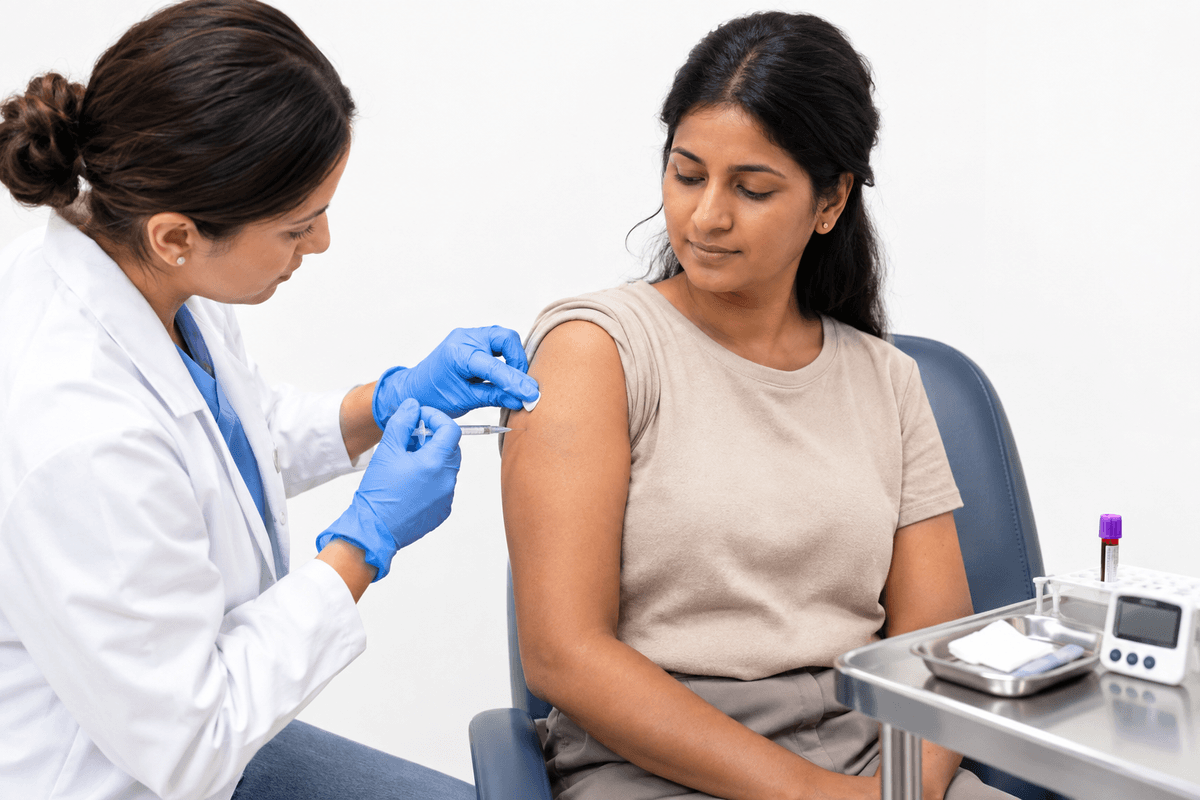
Synthetic ACTH (Synacthen) is injected, usually into a muscle or vein, to stimulate your adrenal glands.
Additional blood samples are collected at 30 and 60 minutes after the injection to measure how your cortisol levels respond.
The blood samples are sent to the laboratory where cortisol levels are measured and compared.
Your doctor reviews the cortisol response pattern to determine whether your adrenal glands are functioning normally or require further evaluation.
A structured, patient-first approach from first consultation to full recovery.
At Sree Charith Hospital, the endocrinology team reviews your symptoms, medical history, and current medications to ensure the test is appropriate and to provide tailored preparation instructions.
The test is performed in a calm, supervised setting where you can rest between blood draws, with staff available to address any discomfort or questions.
Blood samples are labeled, timed precisely, and processed according to laboratory protocols to ensure reliable cortisol measurements.
Once results are available, the endocrinologist explains your cortisol response, discusses what it means for your health, and outlines any next steps or treatment options.
What to expect at each stage of your recovery journey.
You can usually leave the facility shortly after the final blood draw. Most people resume normal activities right away, though you may feel slightly tired or have minor bruising at needle sites.
Any mild injection-site tenderness or transient flushing typically resolves within hours. Drink plenty of fluids and rest if needed.
Results are generally available within a few days. Your doctor will contact you to review findings and discuss whether further tests or treatment are needed based on your individual results.
The test can help confirm whether your adrenal glands are producing adequate cortisol in response to stimulation, guiding diagnosis of primary or secondary adrenal insufficiency.
Results inform whether hormone replacement therapy or further investigation of the pituitary gland is needed, helping tailor management to your specific condition.
The test measures adrenal reserve at a single point in time and may need to be interpreted alongside other tests and symptoms. It does not diagnose the underlying cause of adrenal dysfunction on its own.
This is a diagnostic test only. It identifies whether a problem exists but does not correct adrenal function or replace missing hormones.
The right choice depends on your diagnosis, risks and circumstances — discussed with you at your consultation.
Simple blood tests taken in the morning can provide initial screening for adrenal function. They may be considered first if symptoms are mild or as a starting point before more involved testing.
This test assesses both adrenal and pituitary function by inducing low blood sugar. It is more comprehensive but also more complex and typically reserved for specific cases where the ACTH test is inconclusive.
In some situations, your doctor may choose to monitor symptoms and repeat simple blood tests over time rather than perform stimulation testing immediately, depending on your clinical picture and risk factors.
Let's clear up some of the most common myths about acth (synacthen) stimulation test.
Get a personalised assessment from an experienced specialist. Understand your options, ask your questions, and decide with confidence.