Treated by Dr. Kavya Jonnalagadda at Sree Charith Hospital
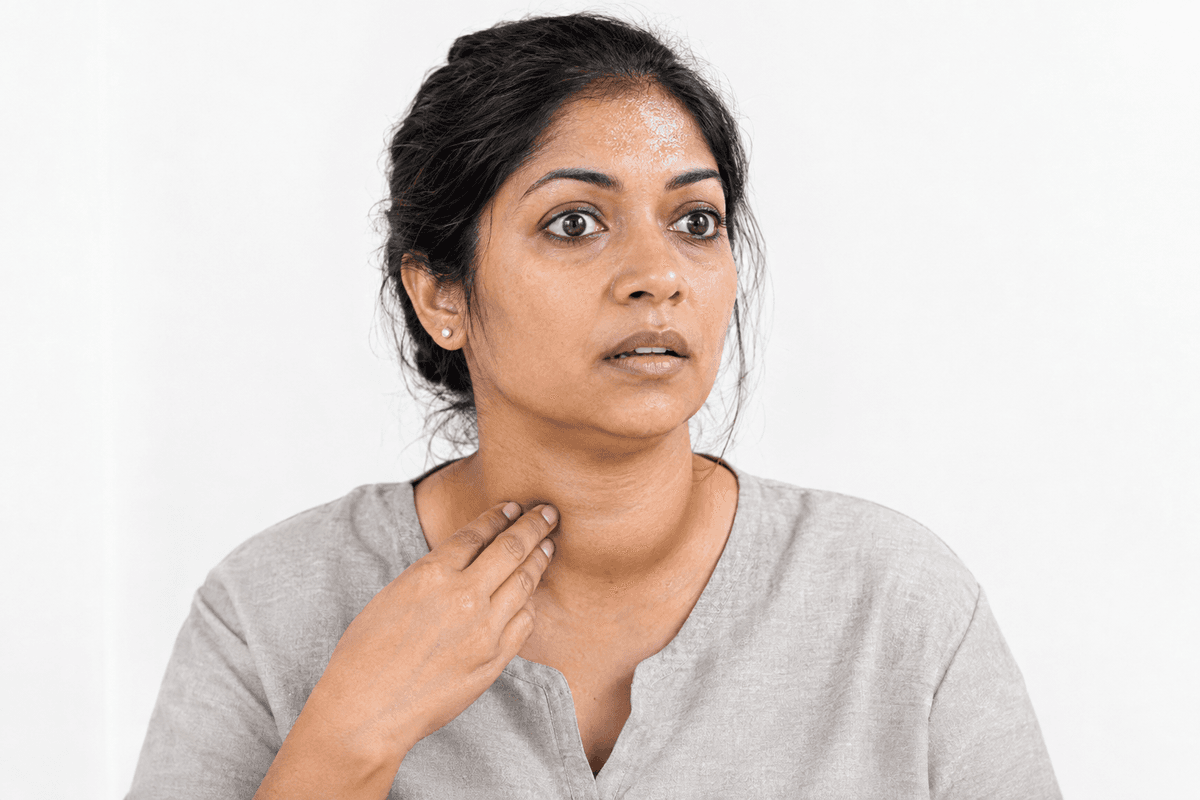
Hyperthyroidism in Tirupati is a condition where the thyroid gland produces excessive thyroid hormones, leading to an accelerated metabolism and various systemic effects. This hormonal imbalance can significantly impact daily life, causing symptoms ranging from weight loss and anxiety to heart palpitations. At Sree Charith Hospital, Dr. Kavya Jonnalagadda provides expert endocrinological care with advanced diagnostic tools and personalized treatment protocols to restore normal thyroid function.
An autoimmune disorder where antibodies stimulate the thyroid gland to produce excessive hormones, often accompanied by eye problems and skin changes. This is the most common cause of hyperthyroidism.
One or more thyroid nodules become overactive and produce excess hormones independently of TSH regulation. This condition typically develops gradually and is more common in older adults.
Inflammation of the thyroid gland causing stored hormones to leak into the bloodstream, resulting in temporary hyperthyroidism. This can occur postpartum or following viral infections.
Multiple factors can contribute to the development and progression of this condition.
Hyperthyroidism develops gradually. Recognising symptoms early gives you more treatment options.
From conservative to surgical — we always start with the least invasive option first.
A structured, patient-first approach from first visit to full recovery.
Sree Charith Hospital conducts thorough thyroid function tests including TSH, free T3, free T4, and thyroid antibodies. Dr. Kavya Jonnalagadda performs detailed clinical assessments and orders thyroid ultrasound or radioactive iodine uptake scans to identify the underlying cause and severity of hyperthyroidism.
Based on diagnostic findings, patient age, severity of condition, and underlying cause, our endocrinology team develops an individualized treatment plan. Dr. Jonnalagadda discusses all available options including medications, radioactive iodine therapy, and surgical referrals, ensuring patients make informed decisions aligned with their lifestyle and preferences.
Patients receive scheduled follow-up appointments with periodic blood tests to monitor thyroid hormone levels and treatment response. Our hospital maintains detailed records and adjusts medication dosages as needed to achieve optimal thyroid function while minimizing side effects and complications.
Sree Charith Hospital provides ongoing endocrine care including management of treatment-related hypothyroidism, monitoring for complications, and coordination with other specialists if needed. Dr. Kavya Jonnalagadda ensures patients receive comprehensive education about their condition and lifestyle modifications to support long-term health.
What to expect at each phase of recovery.
Within 2-6 weeks of starting antithyroid medications or beta-blockers, most patients experience improvement in symptoms like rapid heartbeat, tremors, and anxiety. Blood tests begin showing normalized hormone levels, though full recovery takes longer. Regular monitoring every 2-4 weeks ensures appropriate dose adjustments during this critical period.
Over 3-6 months, thyroid hormone levels stabilize and symptoms resolve significantly. For radioactive iodine therapy, this is when the thyroid gland shrinks and hormone production decreases. Patients regain normal weight, energy levels improve, and cardiovascular symptoms normalize. Monitoring intervals extend to every 6-8 weeks as stability is achieved.
After 12-18 months, patients either complete antithyroid medication treatment with continued monitoring for relapse, or transition to thyroid hormone replacement if the thyroid becomes underactive. Long-term follow-up appointments every 3-6 months ensure sustained thyroid balance and early detection of any recurrence or complications requiring intervention.
Over 85% of patients achieve complete resolution of hyperthyroid symptoms including normalized heart rate, weight stabilization, reduced anxiety, and improved energy levels with appropriate treatment. Quality of life returns to normal as metabolic balance is restored.
Most patients achieve euthyroid state with treatment, whether through medication control, radioactive iodine therapy, or surgery followed by hormone replacement. Regular monitoring ensures sustained normal thyroid hormone levels and prevents complications from over or under-treatment.
Early diagnosis and treatment prevent serious complications such as thyroid storm, atrial fibrillation, heart failure, osteoporosis, and vision problems. Timely intervention significantly reduces cardiovascular risks and protects bone health and eye function in Graves' disease patients.
With appropriate management, patients maintain stable thyroid function for years. While some treatments like radioactive iodine or surgery require lifelong hormone replacement, this provides reliable control with simple daily medication and routine monitoring ensuring excellent long-term outcomes.
Untreated hyperthyroidism can lead to life-threatening thyroid storm characterized by severe fever, rapid heart rate, and altered mental status. Chronic hyperthyroidism causes serious cardiovascular complications including atrial fibrillation, heart failure, and increased stroke risk. Additionally, patients develop severe osteoporosis with increased fracture risk, persistent muscle weakness, and in Graves' disease, irreversible eye damage and vision loss.
Seek immediate medical attention if you experience rapid or irregular heartbeat, unexplained weight loss, persistent tremors, excessive sweating, or bulging eyes. Consult Dr. Kavya Jonnalagadda at Sree Charith Hospital if you notice increased anxiety, heat intolerance, difficulty sleeping, or fatigue combined with restlessness, as these may indicate hyperthyroidism requiring prompt evaluation. Early diagnosis and treatment prevent serious complications and restore quality of life.
Early treatment means more options and better outcomes. Book a consultation to understand your condition and explore the right path forward.